
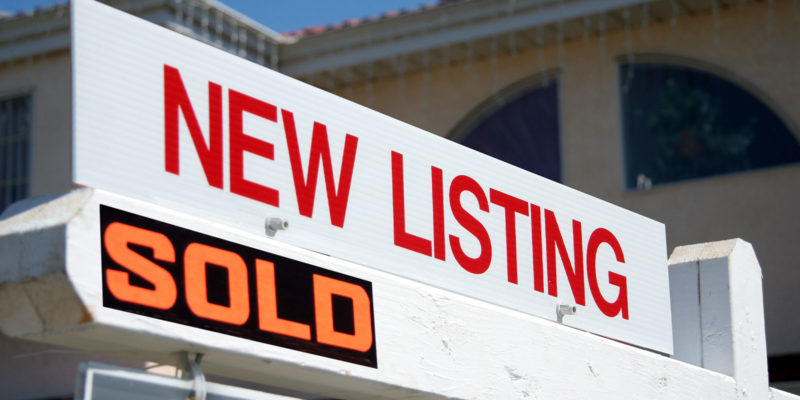
 A listing agent and a buying agent are often both involved in the real estate selling and buying process. If you are not entirely familiar with the home buying and selling process, then you may not have a complete understanding of the differences between a listing agent and buying agent and which one is right for you.
What is a Real Estate Listing Agent?
A real estate listing agent represents the home seller during a real estate sale. Their job is to find a reliable buyer for the home and sell the home quickly and for good value. The role of the listing agent varies, but several ways they might help during the selling process include:
- Optimize the listing information – Determining the most attractive features of your home and advertising them to prospective buyers is essential. The listing agent can help with listing optimization.
- Price recommendations based on market research – The listing agent will have access to comparable properties and local market information. This helps you list your home for the right price that offers maximum value and a quick sale.
- Recommend home improvements – The listing agent may recommend home upgrades that can yield a return on investment when the home sells.
- Help with home staging – They can help you prepare your home to show to prospective buyers.
- Market your home and close the deal – Real estate marketing and negotiations are often tricky. A professional listing agent will know how to find the right buyer and close the deal with little to no setbacks.
- Create a list of potential homes – The buying agent will know the local market. They can use their knowledge to create a list of potential homes that are ideal for the buyer.
- Schedule home tours – The real estate buying agent can schedule home tours, based on the homes that the buyer is most interested in seeing.
- Handle the negotiation process – Negotiations are perhaps the toughest part of home buying. The buying agent communicates with the listing agent and others throughout the process to find the best deal for the buyer.
- Help with the home closing – The buying agent often handles the dirty work. This includes ensuring all paperwork is complete and that all necessary home inspections and appraisals are scheduled, etc.
- Deal with setbacks – If and when setbacks occur for the buyer, the buying agent is there to help. They can handle heated negotiations and other concerns in a professional and effective manner.
Represent the Listing and Duty to Seller
 The sole responsibility of the real estate listing agent is to look out for the best interest of the seller during a home transaction. Their goal is often to find a reliable buyer quickly, one who is willing to pay the optimal home value.
In representing the seller, the real estate listing agent will optimize the home listing. They will determine the most attractive features of the home and highlight the features in the listing. Additionally, the real estate listing agent will market the home, which may include holding open houses, virtual tours and more. They can also assist the seller in the closing process.
A real estate listing agent is helpful to the seller during the COVID-19 pandemic as they can reduce the need for the seller to participate in negotiations, home showings and more that may require in-person communication.
What is a Buying Agent?
A real estate buying agent represents the buyer during a real estate sale. They work on behalf of the buyer to find the property that fits their needs and negotiate the best terms. Several ways a buying agent can help during a real estate purchase include:
Legally Bound to Helping the Buyer
 The sole responsibility of the buying agent is to work on behalf of the buyer to ensure they get the home they desire and are qualified for at the best price and terms possible. As discussed above, there are many ways the buying agent can help. During the home shopping process, they will do everything possible to understand the buyer’s wishes and find homes that match their needs and preferences.
Perhaps more notably, a buying agent can help home buyers close the deal. They can work directly with the real estate listing agent (seller) and the lender to ensure all paperwork and closing tasks are carried out in a timely manner, avoiding as many setbacks as possible in the process.
A buying agent is particularly useful during the COVID-19 pandemic as they can handle many of the tasks that the buyer would otherwise have to handle, such as negotiating with listing agents and lenders, ensuring the home inspection and appraisal go well, etc.
Talk to the Experts at the Katie Zarpas Group
Learn more about the home buying and selling process by talking to our real estate experts at the Katie Zarpas Group. You can reach us by phone, and we are glad to answer your questions and address any concerns you may have.

 The terms “real estate listing agent” and “selling agent” can be incredibly confusing if you have never worked with either in the past. Both typically play an important role in the home selling and buying process, and understanding the differences between the two job titles can help you understand who you should consult with and how to refer to each throughout the process.
 Every real estate listing agent may have a unique process, but it typically involves discussions with the home seller to determine the best course of action. They will discuss how much to initially list the home for, the best way to market the home, and what minor changes can be made to the home to potentially boost the value.
 If you are interested in selling your home and want to learn more about how a real estate listing agent can help, then get in touch with the Katie Zarpas Group today. We are here to help home sellers through the process, ensuring proper research is done on their home and the local real estate market. We will do all we can to help your home sell fast and for full value. Reach out today by phone at
 If you are
  Having an escrow account that is neither accessible by the buyer or seller ensures that funds are not distributed until both the buyer and seller are able to meet on the terms and conditions of the purchase agreement. These minimize risks for all parties involved, including the lender. When a buyer puts funds into an escrow account, it shows the seller that the buyer is acting in good faith and has the ability to pay. Escrow also shows the buyer that the seller actually owns the real estate and that there are a clear title and no liens. The lender receives peace of mind that the money is secure.
 As you inch closer to the closing date, you will be met with lots of paperwork. One of the most important documents to read is the closing disclosure. This paper will show the terms of your mortgage loan, the final closing costs, and any outstanding fees you may still owe. During your closing appointment, you will need to review, initial, and sign any remaining paperwork. At closing, be sure to bring your down payment, personal identification, and your checkbook in the event that you need to pay any remaining fees.
 More real estate agents and home sellers are displaying the walk score of their property as a way to promote it to prospective buyers. The fact is, homes that have a higher walk score typically sell for more money than homes that are considered car-dependent. In addition to the walk score, similar metrics such as transit score, bike score, and crime grade are also good indicators of the area of a home.
 Walk scores are given a final grade between 0 to 100. There are different categories, which include:
 By displaying the walk score and discussing the amenities that are within walking distance, home sellers can help prospective buyers imagine what their daily routine might look like and how convenient it can be while living in the home.
 A walk score in real estate listings simply measures how walkable an address is. In other words, the score indicates how easy it is to accomplish common daily tasks by walking from your home address rather than driving a car or taking a bus. The score is calculated by using an advanced patented methodology by
  Walk Score uses a point system, providing the maximum amount of points to amenities that are within a 5-mile walk and deducting points the farther away amenities are. Amenities outside of a 30-minute walk radius are not awarded any points. Each address lands on a scale between 0 and 100. The higher the score the more walkable the address is. The system breaks scores into five categories, which are:
 Very walkable refers to a walk score that falls between 70-89. This indicates that the home is very close to many amenities and most errands can be completed on foot. These properties tend to sell for far more than homes that are considered car-dependent.
 Buying a second home involves considerations that are a little different from buying a primary residence. Here are some important things to think about as you conduct your search:
 Consider how often you plan to be at your second home – will it be six months at a time? An entire season? Or just a few weeks scattered throughout the year? Holidays only? The amount of time you plan to spend there can be a deciding factor on how large or small your second home should be and where it should be located in proximity to the features that attract you to the area in the first place. If you’re thinking of buying your future retirement home, you will want to check into the quality of health care services in the area and the home’s convenience to services. On the other hand, if all you want is a weekend getaway, you should probably find something that you can drive to within a few hours of your primary residence.
 Give serious consideration to the amount of maintenance the home will need and whether a property manager is available to handle it for you. If you decide to rent it out, make sure the property manager can handle that for you as well. Most importantly, make sure you factor in these maintenance expenses into your budget.