

 Selling your home during a divorce can add a lot of stress to an already stressful situation, leading to avoidable real estate mistakes. Emotions are often running high. It helps to have the assistance of an experienced and objective real estate agent at your side to help you make rational business decisions in connection with the transaction.
Top 2 Real Estate Do’s and Don’ts After A Divorce
Without help, it’s easy for divorcing couples to make real estate mistakes that cause the house to linger on the market, unnecessarily complicate the sales transaction, and adversely affect how well the home looks to potential buyers. The result is the home sells for less than it should. Here are a few do’s and don’ts to help you avoid those real estate mistakes:
DO: Work With an Experienced Real Estate Agent
When you contract with an agent to sell your home, make sure the agent has experience with divorcing homeowners. Some agents receive special training on transactions in properties during a divorce. An agent with that kind of experience will know where issues typically arise and how to avoid or minimize the associated stress. Such an agent will know how to coordinate meetings and showings with both divorcing spouses. They know how important it is to communicate with both parties to keep everyone informed of important developments, and to prevent real estate mistakes.
Working with an experienced agent to get the best price possible for the property also means disclosing any court-ordered details regarding the property or the sale before listing it. To be effective and efficient at selling the property, the agent needs to know about all stipulations regarding the sale and the responsibilities of both parties. The agent needs to know, for example, which spouse has the court-approved authority to act on behalf of the couple. It will usually be the spouse living in the home. The agent also needs to know the listing price if it is spelled out in the court’s order, and who is authorized to reduce the price if necessary. Some court orders may cover which spouse is responsible for home repairs and how to get approval for those costs.
DON’T: Let Home Maintenance Slip
 When one spouse moves out and the other is busy trying to juggle a job, child care and taking care of the house, home maintenance and repairs can pile up. Keeping up with all of that while struggling through a divorce can be overwhelming. That is especially the case if a court order has imposed constraints on the number of expenses it will require and requires both spouses to consent. However, falling behind on simple repairs and basic upkeep is important to get a good selling price.
DO: Stage the Home, Especially if it is Unoccupied
Ideally, one of the spouses will stay in the house until it sells. The spouse should try to make it appear as though both spouses are still living there. If buyers sense a divorce sale, they are likely to suspect the home can be bought at a fire sale price point. That will only encourage low-ball offers.
If no one is living in the home, it is best to leave some furnishings so that it will not appear empty. Homes generally sell better if they are at least lightly staged. Empty homes or homes with a few items left behind a helter-skelter can impair the home’s marketability.
If you can afford a professional stager, it may be worth the expense. A professionally staged home helps the house sell quickly and for a good price.
Whether lightly staged or staged professionally, a furnished home can help buyers picture themselves living in it, and a well-staged home can even help make the rooms seem bigger.
DON’T: Overlook Your Capital Gains Tax Break
 Before you list the home for sale and finalize your divorce, make sure you review the tax consequences with a CPA or your attorney. If possible, you want to plan a sale by timing it to minimize your capital gains tax liability and preserve the exemption in the divorce.
As you may have heard, the capital gains tax is a tax that you pay on the profit you receive from selling a capital investment. Your home is such a capital investment.
If you sell your house while you’re still married, each spouse can exclude the first $250,000 of profit (or gain) from your taxable income (for a total of $500,000). If you sell the house while you’re in the midst of a divorce, you can exclude from tax the same amount of $500,000 of gain, provided both spouses lived in it for two of the five years before the sale.
This tax exemption can be affected by factors such as the timing of your divorce filing, the date your home is sold, whether both spouses co-owned the house even though only one lives there, or whether one spouse buys out the other half of the house. Make sure you don’t inadvertently overlook these details.
Contact the Real Estate Team at Katie Zarpas Group for More Information
 The real estate agent at the Katie Zarpas Group is experienced with helping divorcing couples sell their home and prevent real estate mistakes. They know how to ensure a smooth process with minimal stress on both parties while extracting the best possible price for the home. Schedule an appointment today for more information.

 Investing in real estate with an eye toward retirement may be a great way to position yourself for your dream retirement. Depending on how you invest, making real estate part of your retirement plan can generate nice returns. Not only does it have great investment potential, but it can also be an inflation hedge and an ideal way to diversify your investments away from stocks and bonds.
 If you are thirty years away from retirement, consider this easy strategy. Buy just one good quality property with a 30-year mortgage at a low-interest rate. Hold it and keep it rented for the life of the mortgage. During that period, you will have to make repairs, replace carpet and appliances, repaint and so forth. However, at the end of the 30 years, your tenants will have paid off your 30-year mortgage. You now have a couple of options. You can continue to rent it and enjoy the income. Alternatively, you can sell it and use the proceeds on your retirement home. Or, you can move into it and have no house payments in your retirement. Sweet!
 A REIT is like a mutual fund consisting only of real estate assets. REITS are an easy way for beginners or very busy people to invest in real estate. REITs are attractive as investments for a variety of reasons, but primarily because they have a special tax status that requires them to pay out at least 90% of their income as dividends. As a result, REITS can be great investments for retirees and near retirees because the dividends paid can provide real income. On the other hand, the dividends are taxed as ordinary income, so be aware of the tax implications of your
 Foreclosures are homes that belong to the bank that originally gave the previous owner a loan. When the owner of the home abandons it or voluntarily deeds it to the bank, ownership goes to the bank, which can then sell the home. While it is often said that the bank “took back the home,” this is technically inaccurate, as the bank did not really own the home before it was purchased.
  Foreclosures can happen for any number of reasons, including the loss of a job, excessive debt in other areas, problems with the home’s co-owner, a move to another state before selling the property, or unaffordable maintenance issues. During the market crash that occurred from 2005 to 2011, for example, many homeowners abandoned their homes because they owed more than the house was now worth. While this practice can cause problems for the bank and new buyers, it allowed homeowners to walk away from their debts with few consequences.
  Negotiating with the seller typically occurs before the foreclosure proceedings have been finalized. The laws governing these negotiations vary from state to state. In areas that use mortgages for foreclosures, the homeowner can stay in the property for almost one year after the sale. Where trust deeds are used, the seller has less than four months to negotiate and move out before a trustee sale. Many states require that buyers provide sellers with certain disclosures about equity purchases, so consult a real estate agent or attorney for your state’s regulations. Almost all states provide a redemption period, during which the seller has the right to pay all foreclosure costs, back interest, and missed principal payments to regain control of the property.
 Contact Katie Zarpas Group for more information about foreclosures in the Virginia Beach area. Katie Zarpas has a long and successful career in real estate and has been recognized by her peers with several awards. Zarpas and her team can assist both
 Curb appeal is made up of everything outside your home, from the state of your lawn and garden to the color of the walls, and other little details, like fences and shutters. It’s easy to forget about all of these features in your day to day home maintenance and living, but they are essential when you begin thinking about selling your home. In this short post, read more about why curb appeal matters and why it is so important when putting your home up on the market.
  Curb appeal is also important in more concrete ways. With a beautiful front, your home’s property value will likely increase. A run down or badly landscaped home is likely not going to attract many buyers, unless they are specifically looking for a fixer upper or teardown house. A well maintained home, meanwhile, instantly generates positive interest, makes your home more attractive and can lead to a higher sale price.
  Showing that your house is unique amongst all of the others on the market is critical, particularly if it is one of several options available in the same price range. Buyers might be particularly enamored with your garden, siding, or other details that they would likely have to install themselves if they chose a different house instead of your’s. By adding or maintaining these thoughtful details yourself, you save the buyer the effort, and position your house as an ideal choice.
  Speak to Katie Zarpas Group for more information about curb appeal and to schedule an initial meeting with a
 Rising interest rates are making homes less affordable. Both short-term and long-term interest rates can have a direct impact on a buyer’s ability to afford a home. In the short-term, a rise in interest rates affects a buyer’s budget for a home. In the long-term, a rise in interest rates can result in higher monthly mortgage payments. Over the last several years, short-term interest rates have steadily increased which means homeowners must retain tighter budgets. When rising interest rates are combined with climbing home prices, affordability can become a major issue.
  While inventory has began to gradually creep up over the course of 2019, the market is not divided equally. The upper end of the market actually has plenty of inventory to choose from. It is the middle and lower ends of the market that are experiencing a housing shortage. The upper end of the market is being seen as soft due to a property tax deduction that has been limited, resulting in a greater financial burden and less desire to own. New home builders are also feeling the stress due to rising material costs, high land prices, and more difficulty when obtaining construction permits.
 Even if you have bought or sold a house in the past, you may want to consider working with a real estate agent for assistance with future home purchases or sales. A real estate agent can be your biggest ally throughout the process and can make buying or selling a home much easier. They will research comparable home prices, schedule showings, negotiate prices, arrange for inspections, recommend repair providers, and review paperwork for you
  An excellent way to see a real estate agent in action is to visit an open house that they are hosting. This gives you a good idea of how they operate, what they focus on when selling a home, and how they interact with potential buyers. If you are looking to buy instead of sell, visiting an open house and chatting with the real estate agent there can still be a valuable way for you to make a connection and better understand how the agent approaches their job.
 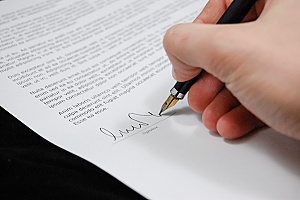 After choosing your agent, you will be asked to sign a buyer’s or listing agreement, depending on whether you are buying or selling a home. These documents state that the agent will act in your best interest and outlines the rights and responsibilities for both you and your agent. Some agreements allow buyers or sellers to work with another agent if a better deal comes up, while others exclusively commit the agent and buyer or seller to work with each other throughout the entire process. Exclusive agreements generally ensure that the real estate agent will dedicate more time to helping you with your transaction, but speak with your agent to discuss your needs and find the right contract format.