

 In most home sales, people hire a real estate agent to help them sell. However, nothing requires anyone to use a real estate agent to sell their home. Selling your home without a real estate agent means you are selling it yourself. As such, your home will be designated as “for sale by owner” (“FSBO”). The primary reason people choose to put their home on the market as FSBO is they believe they will save money on the real estate agent’s commission.
Often, however, they underestimate what is involved in selling a home. There are significant reasons why it makes sense to work with a real estate agent, meaning that a real estate agent can save you money and headaches in the long run. Working with a real estate agent instead of doing FSBO is more efficient and professional, and it yields better results.
Here are just a few important pros and pitfalls (and there are many) to consider before you list your house FSBO.
Pros of For Sale By Owner
No Commissions
Real estate agents are paid on average 6% of the sales price as their commission. If your home sells for $300,000, the real estate agent will get $18,000. That leaves $282,000 to pay off the loan balance, cover other closing costs, fees and outstanding taxes. Without an agent, the seller will be able to pocket more of whatever is left.
Control Over the Listing Price
 Without a real estate agent, you will have complete freedom to set your asking price at whatever point you like.
Control Over the Scheduling
Selling your home can be a major disruption to your schedule. Agents sometimes give you very little notice when they are in the area with an interested client. If you are not home, they will simply let themselves in to look around. Without an agent, you will have more flexibility when it comes to when people can come in to look at your house.
Cons of For Sale By Owner
Listing Price Based on ???
A local real estate agent knows the market. The agent can make solid recommendations on a sales price that is likely to bring in reasonable offers. Without that expertise, you won’t know if your listing price is too high or too low. If the price is too low, you may have been better off working with an agent and paying the commission. If the price is too high, you may not have many interested buyers bothering to look at it. In many cases, homeowners are more likely to base your price on their “feelings” of what the price should be and not what the market can bear.
You Will Not Have the Resources to Screen Potential Buyers
Before an agent shows your home to a potential buyer, the potential buyer has been screened to ensure that the buyer has been prequalified for the loan needed to buy the home and has the ability to pay. You may waste a lot of your time with people who are not in a position to buy your home. Also, homes that are for sale by owner are stigmatized – they rightly or wrongly are viewed as having a problem, otherwise they would be listed with a reputable agent.
You Could Leave Money on the Table by Handling the Contract Negotiations Yourself
 When someone is interested in your home, their real estate agent helps them come up with an offer. The offer is relayed to your real estate agent, who then helps you decide whether to accept it or make a counteroffer. This back and forth is the negotiation process. The real estate agents have extensive training in these negotiations. They know how closing costs, points, and other elements involved in a sale can be negotiated to make a sale happen at a reasonable price point. Without an agent, this important aspect of the sale will fall on your shoulders.
If the interested buyers do not have an agent either, neither of you will benefit from the expertise an agent can offer. This is a situation that can result in disappointment and even disputes that can be costly to all sides. In such cases, the parties should work with the help of a lawyer, which can end up costing you as much as the real estate commissions you were trying to avoid.
You Have to Be Ready for Closing
Once you have a ratified sales contract with an agreed-upon sales price and terms, you will have to get ready for closing. The contract may require the seller to make certain repairs to the home and pass inspections. The real estate agent is instrumental in coordinating all of that. The buyer will have to get an appraisal. If the appraisal does not show a value that meets the requirements for the buyer’s financing, the buyer will have to put more money down out of their pocket. If they cannot do that, the sale will not close, and the whole process must start over again.
Contact Katie Zarpas Group For More Information
Before you list your home for sale by owner, consult with the experts at Katie Zarpas Group. They are happy to discuss selling your home FSBO in detail. If you choose to work with an agent and avoid the pitfalls of the FSBO process, our licensed Virginia Beach real estate agent, Katie Zarpas, is standing by and ready to help you.
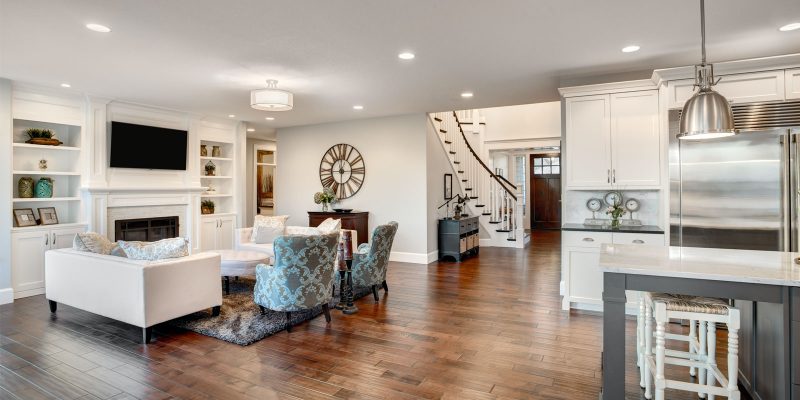
 When you put your home on the market, you will want to sell it quickly and as close to your asking price as possible. If your home looks clean, well-maintained, and spacious, it will appeal to many more buyers and their real estate agents. Following. home staging tips can help in your selling process.
 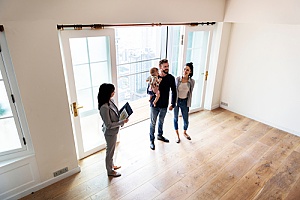 Some agents believe that an unkempt home can lower a home’s value by 5% to 15% because buyers are less inclined to make a higher offer for a messy house. So, this is the time to bring in a professional maid service to do a thorough cleaning. Get rid of things that you don’t need and don’t want to move.
 You want the rooms to seem bright and spacious. One way to achieve that is to remove excess furniture and rearrange what is left so that the room is light and bright. If the furniture is worn and dated, try to find something fresh and updated to replace it. Borrow something if you can, buy something inexpensive, or use slipcovers to freshen your upholstery. In the living room, you’ll want a sofa, chair and table and lamp. In the dining area, have a table and chairs. In the bedrooms, have just a bed and a dresser. When you arrange it, make sure nothing impedes traffic patterns and pathways, and that all doors can easily open without bumping into something. Brighten the house up with plants or floral arrangements on entry tables, coffee tables, dining tables, and bedroom dressers.
 This may be the last home you will ever buy. At the same time, people are living longer than ever before. Don’t underestimate the number of years you may live in this home. You will want a home you will be happy in during this phase of your life. With that in mind, check out these home buying tips when searching for your retirement home:
 When you are deciding which communities you like the best, one important consideration is how far away the community is from the things you want to do. You probably will not want to drive a long way every time you want to go to the grocery store, the doctor, or a movie. And even if a longer drive does not bother you now, think about how you will feel about it in twenty years.
 Although a retirement home could be the last home you ever buy, you may find yourself in a situation where you need to sell it for some reason. The reasons could be changes in the health condition of yourself or your spouse, relocate to another area to be closer to family, a desire to get something smaller, or a change in your financial condition that warrants selling it. Whatever the reason, it is nice to know that you will have no problem
 One of the most important considerations in selling your home is determining how much equity you have in it. You begin to build equity in your home when you make the initial down payment when you buy it. Each monthly payment includes a payment of interest and a smaller amount is applied to pay the loan principal. Only the amount you pay toward the principal goes toward your home equity.
 For example, assume your home is worth $350,000 based on your internet research. Assume that the first mortgage balance is $200,000, and you have a second mortgage balance of $50,000. You would have $100,000 in positive equity ($350,000 value – $200,000 mortgage – $50,000 second mortgage = $100,000 home equity). If your home sells for $350,000, you would incur transaction costs (often about 6-10% of the sales price, which includes the real estate agent’s commission, property taxes, attorney’s fees, and so forth) that would be deducted from your $100,000 in equity. Whatever is left over after those costs are paid is yours to apply toward the purchase of a new home, moving expenses, or anything else you wish to do with the proceeds.
 If you can sell your home and have enough money from the sale to pay off the mortgage(s), home equity lines of credit, outstanding taxes, and related transaction costs, you will not have to pay anything out of your savings to sell your home. For many people, they can afford to sell their home only if the sale proceeds will cover all outstanding debt and closing costs.
 If you are thinking about selling your home, contact the real estate expert at Katie Zarpas Group for more information by calling
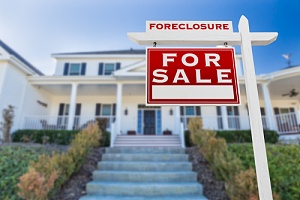 Foreclosures are homes that belong to the bank that originally gave the previous owner a loan. When the owner of the home abandons it or voluntarily deeds it to the bank, ownership goes to the bank, which can then sell the home. While it is often said that the bank “took back the home,” this is technically inaccurate, as the bank did not really own the home before it was purchased.
  Foreclosures can happen for any number of reasons, including the loss of a job, excessive debt in other areas, problems with the home’s co-owner, a move to another state before selling the property, or unaffordable maintenance issues. During the market crash that occurred from 2005 to 2011, for example, many homeowners abandoned their homes because they owed more than the house was now worth. While this practice can cause problems for the bank and new buyers, it allowed homeowners to walk away from their debts with few consequences.
  Negotiating with the seller typically occurs before the foreclosure proceedings have been finalized. The laws governing these negotiations vary from state to state. In areas that use mortgages for foreclosures, the homeowner can stay in the property for almost one year after the sale. Where trust deeds are used, the seller has less than four months to negotiate and move out before a trustee sale. Many states require that buyers provide sellers with certain disclosures about equity purchases, so consult a real estate agent or attorney for your state’s regulations. Almost all states provide a redemption period, during which the seller has the right to pay all foreclosure costs, back interest, and missed principal payments to regain control of the property.
 Contact Katie Zarpas Group for more information about foreclosures in the Virginia Beach area. Katie Zarpas has a long and successful career in real estate and has been recognized by her peers with several awards. Zarpas and her team can assist both
 Curb appeal is made up of everything outside your home, from the state of your lawn and garden to the color of the walls, and other little details, like fences and shutters. It’s easy to forget about all of these features in your day to day home maintenance and living, but they are essential when you begin thinking about selling your home. In this short post, read more about why curb appeal matters and why it is so important when putting your home up on the market.
 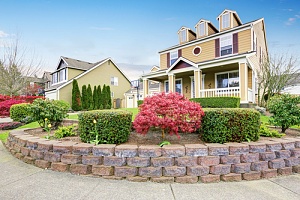 Curb appeal is also important in more concrete ways. With a beautiful front, your home’s property value will likely increase. A run down or badly landscaped home is likely not going to attract many buyers, unless they are specifically looking for a fixer upper or teardown house. A well maintained home, meanwhile, instantly generates positive interest, makes your home more attractive and can lead to a higher sale price.
  Showing that your house is unique amongst all of the others on the market is critical, particularly if it is one of several options available in the same price range. Buyers might be particularly enamored with your garden, siding, or other details that they would likely have to install themselves if they chose a different house instead of your’s. By adding or maintaining these thoughtful details yourself, you save the buyer the effort, and position your house as an ideal choice.
  Speak to Katie Zarpas Group for more information about curb appeal and to schedule an initial meeting with a