

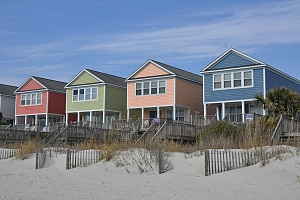
 Are you wondering how to invest in beach rental properties? Investing in beach rental properties is an exciting endeavor, and can be lucrative when an investor takes the right steps. Knowing how to invest in beach rental properties does not have to be a burden. This article addresses the many important considerations to be determined before investing.
Your Financial Standing
Vacation properties often require more time, work, and effort than originally anticipated. The costs of owning and renting a vacation home can quickly get out of hand and understanding factors like rent rates, vacancies, management fees, maintenance costs, and home-value increases is essential. Beach properties deal with unique challenges, such as the damaging effect of salt air on the property and the increased maintenance costs that come with it.
Another challenge is the seasonal nature of beach vacation property. While a business might be booming in the summer peak months, do you have a plan to get through the cold weather season when people are not booking beach vacations as frequently? These are concerns that need to be really grounded before moving ahead too quickly.
All About Location
Once you have determined that a beach investment is right for you and your financial situation, it’s time to pick a location. We all know that when it comes to real estate, location is key. Each location comes with its own unique pros and cons, but at the end of the day, it is the one thing that you are not going to be able to change after purchasing. So, how do you begin to choose a location for a beach investment property?
Not all cities are the same, and even the different areas and neighborhoods within a city have their own considerations attached to them. For this reason, you should try to narrow down your location as much as possible. Do your research on key factors such as market conditions, employment rate, weather, proximity to certain amenities, demand, inventory, etc.
Cover The Bases With An Analysis
 Because vacation properties ebb and flow with vacation patterns throughout the year, vacation properties are a completely unique type of real estate investment. Ask yourself, is there enough consistent demand for the vacation rental investment to be considered sustainable? Taking a look at vacation trends, as well as property types, that are influencing a particular area should be taken into consideration.
Once you figure out what type of property you’d like to buy, it’s time to make some market comparisons, which show how a particular type of asset is performing. The Zarpas Group can help you keep up to date with the latest market trends and regularly publishes the Long & Foster Market Minute for the Virginia Beach City Housing Market here.
Extrapolate Income and Costs
Once you have a good understanding of the market, you are ready to start extrapolating income and costs. While income will vary from area to area, a good rule of thumb is to aim for a weekly rental rate that is 10-20% above your monthly mortgage. If you can lock down a high-demand property, you could feasibly charge at an even higher rate, but it is important to find the right balance between maximizing monthly income while not driving away potential renters due to overly high prices.
After raising income to cover more than just monthly mortgage payments, you still need to calculate for the offseason slow periods that come with beach rentals. While income may be strong while the weather is hot, you need enough income to offset the rest of the year. For this reason, you should factor in an expected vacancy rate of at least 25%. What’s more, you need to account for a variety of other fees: condo fees, HOA fees, property management fees, maintenance costs, etc.
The biggest one of these is the property management fee. While this doesn’t apply if you act as your own landlord, many owners choose to employ the services of veteran property managers, especially if the owner does not live in the area or cannot regularly visit the investment property.
Try Before You Buy
 Before locking in your investment, it is a good idea to vacation in the area yourself. This will give you a first-hand experience with the wants and needs of vacationers. Ask yourself, would you want to vacation in this area yourself? Consider practical things such as what type of attractions are nearby, and how the popularity of these attractions peak and ebb throughout the year. Using popular online services like Airbnb, HomeAway, and TripAdvisor to make your visit arrangements can give you good insight into how vacationers are booking their trips and how they are evaluating different properties.
Team Up With The Katie Zarpas Group
Reach out to the real estate professionals at the Katie Zarpas Group in Virginia Beach for more information about buying a beach rental property in Virginia Beach or the surrounding areas. Before entering the luxury real estate industry in 2005, Katie Zarpas worked as an assistant film director and thus acquired many valuable connections in the entertainment business. Katie has since earned several accolades, including the Hampton Roads Realtors Association’s prestigious Gold, Platinum, and Diamond awards. She has also been ranked as one of the top realtors in the country.
At the Katie Zarpas Group, we help clients obtain key information about listings in Virginia Beach and the surrounding areas, including Norfolk, Chesapeake, Portsmouth, and Suffolk. We strive to constantly track local real estate market trends, which means we can help you estimate your desired home’s value. We will always put your priorities first, regardless of what you are seeking. Call the Katie Zarpas Group today at (757) 685-4400 or contact us online to learn more about our work.

 No matter what neighborhood you choose to live in, it’s important to meet at least one neighbor. Perhaps you have heard this piece of advice on certain home improvement television shows. You can likely learn much more than you might imagine from just one conversation. According to a
  First impressions often don’t simply matter in the workplace. They can make a major difference in your personal life as well. Therefore, try welcoming your new neighbors into your home as soon as possible and offering them all sorts of hors d’oeuvres and drinks. If they enjoyed meeting you, they could end up reciprocating the gesture.
 Adapting to a new location can be difficult, but one must ultimately learn to live in new spaces. Be sure to find your new favorite grocery store, pharmacy, restaurant, liquor store, and hardware store, among other essential businesses.
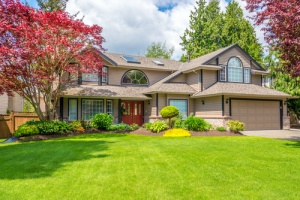 This may be the last home you will ever buy. At the same time, people are living longer than ever before. Don’t underestimate the number of years you may live in this home. You will want a home you will be happy in during this phase of your life. With that in mind, check out these home buying tips when searching for your retirement home:
 When you are deciding which communities you like the best, one important consideration is how far away the community is from the things you want to do. You probably will not want to drive a long way every time you want to go to the grocery store, the doctor, or a movie. And even if a longer drive does not bother you now, think about how you will feel about it in twenty years.
 Although a retirement home could be the last home you ever buy, you may find yourself in a situation where you need to sell it for some reason. The reasons could be changes in the health condition of yourself or your spouse, relocate to another area to be closer to family, a desire to get something smaller, or a change in your financial condition that warrants selling it. Whatever the reason, it is nice to know that you will have no problem
 The location and the lot are things you cannot change. The first consideration as to location is whether the neighborhood meets your needs. Before you get out of the car to look at a property, look over the lot itself. Make sure it is not in a low-lying area that floods. If it is, you will incur significant expense to remediate the effects of a flood if remediation is possible. Is the lot fairly level, or is it steep? If the lot is steep, consider whether it creates a concern for your family’s intended use? Is it on a busy road? Consider whether the amount of traffic will affect your enjoyment and use of the property. Finally, look at the adjacent properties and determine if they are well taken care of.
 As you walk through the house, determine whether the floorplan will meet your lifestyle. Is it an open floor plan design that you love, or is it a floor plan designed to allow occupants more privacy? If you don’t like the floor plan now, you will probably hate it in a few years. If the seller has recently painted the walls and ceilings, be aware that it was likely done to help sell the home. That is good news for you as a potential buyer, but don’t let new paint and décor distract you from what matters.
  Regardless of the age of the appliances, turn each of them on to make sure they are working. Look underneath every sink for signs of leaking. Turn on the water in every faucet to assess the water pressure, especially if the house sits on well water. Look at any carpeting to determine whether it needs to be replaced or updated. If so, it is common to factor that into your sales price negotiations.
 Rising interest rates are making homes less affordable. Both short-term and long-term interest rates can have a direct impact on a buyer’s ability to afford a home. In the short-term, a rise in interest rates affects a buyer’s budget for a home. In the long-term, a rise in interest rates can result in higher monthly mortgage payments. Over the last several years, short-term interest rates have steadily increased which means homeowners must retain tighter budgets. When rising interest rates are combined with climbing home prices, affordability can become a major issue.
  While inventory has began to gradually creep up over the course of 2019, the market is not divided equally. The upper end of the market actually has plenty of inventory to choose from. It is the middle and lower ends of the market that are experiencing a housing shortage. The upper end of the market is being seen as soft due to a property tax deduction that has been limited, resulting in a greater financial burden and less desire to own. New home builders are also feeling the stress due to rising material costs, high land prices, and more difficulty when obtaining construction permits.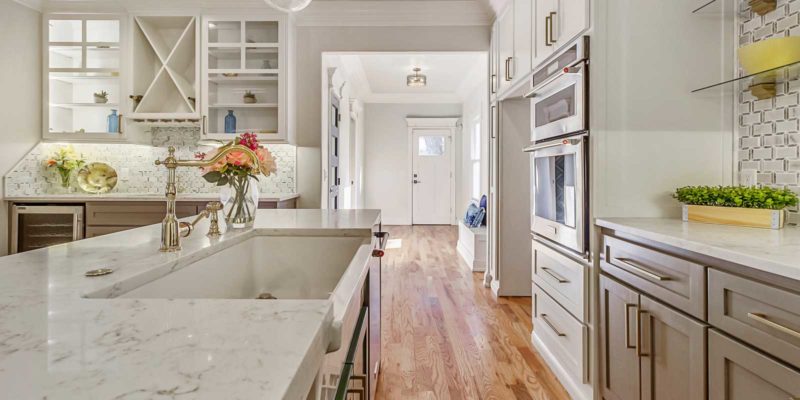
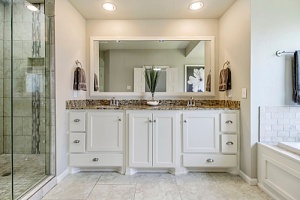 Most people want to purchase a home that already has appliances. However, appliances that are worn or outdated can be a real turn off. You can add value to your home by switching out your outdated appliances for more modern, energy-efficient models. It is not just your kitchen appliances you want to upgrade. Creating a separate laundry room or nook complete with a new washer and dryer can also be an attractive feature for buyers. Of course, having matching appliances is important, such as stainless-steel appliances throughout the kitchen.
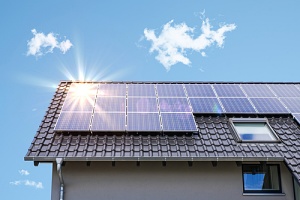 Your home can certainly benefit from a few inexpensive, environmentally-friendly upgrades. As more homeowners move towards an eco-friendlier lifestyle, updates like solar panels, programmable thermostats, and bamboo flooring can be highly attractive features that could potentially add value to your home. When choosing green updates, do not overboard. You are likely not going to make your money back if you spend too much going green. Instead, opt for low cost improvements such as weatherproofing around doors and windows to save energy, swapping incandescent light bulbs for LEDs, or installing a smart meter to save energy.