
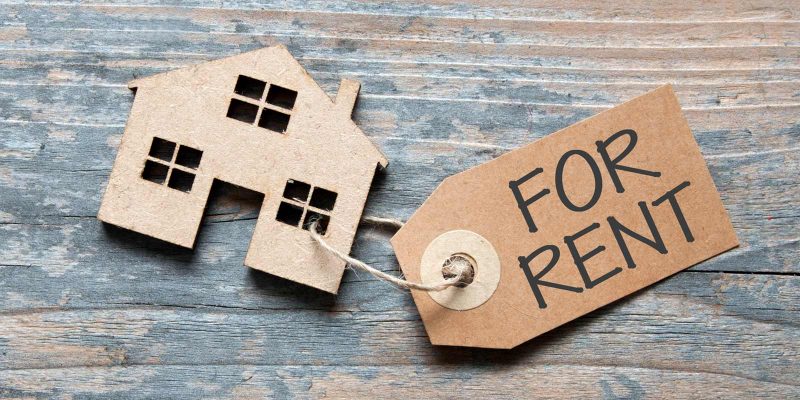
 When it’s time to buy a new home, most homeowners think they have to sell their current home, and often the sale proceeds go towards the purchase of the new home. But do you really have to sell your current home first? If you can keep your home and convert it into a rental property, you can grow your real estate investment portfolio. It is a common strategy used by homeowners to buy a second home and rent the first one, for a variety of reasons. For some homeowners, their home’s value is underwater and the homeowner cannot or is unwilling to take the loss of a sale. For other homeowners, they anticipate having to move back into it at some future date.
How to Know You’re Ready to Buy a Second Home & Rent the First One
In many cases, converting your home into a rental property can make a lot of sense financially if you are prepared and plan carefully for it. Whether you should buy a second home and rent the first one depends on a number of considerations, as explained below:
You Are Ready and Able to Take on Landlord Responsibilities
There are several advantages to renting out your home. The primary advantage is generating rental income. To do that, you need to be sure you rent to reliable and responsible tenants, which means checking your potential tenants’ financial history. A real estate agent can help you with finding a good tenant and the leasing process. When choosing a real estate agent, it’s important to find one that fits your needs. Renting your home may provide you with income tax breaks, though it will make your tax reporting more complicated. In short, a rental property that performs year after year offsets the expense of the property and increases your total asset value.
 Be aware that becoming a landlord means you are ultimately responsible for maintaining the property. If your tenants do not live up to their lease obligations, you will have to step in. You can hire a property manager, which is a good idea if you are a long-distance landlord or you are not very handy. However, the property manager’s fees will cut into your rental income. If you decide to do the property management yourself, be prepared for unexpected expenses. You once lived in the home, so you should know what condition the appliances are in, the age of the roof, and similar issues.
You may want to set aside some funds for those eventual repairs. Also, talk to your homeowner’s insurer to make sure your insurance is adequate to cover any landlord liability. If not, you should consider getting additional coverage.
You Create a Passive Stream of Income
You can generate monthly income that offsets your monthly mortgage payments. In some areas, the monthly rent will cover all of the mortgage payments, any HOA payments, taxes, and insurance and generate a little extra each month.
Your Mortgage Permits Renting Out Your Home
Before you commit to renting out your home, read your mortgage agreement to make sure it permits you to do it. Your mortgage may prohibit it, or it may require you to rent it out only after you have lived in it for a minimum period of time. If your mortgage prohibits renting it out, you can try to refinance with another lender. You can also contact your lender and see if they would be willing to refinance you with a loan that permits you to rent it out.
You Have Ensured That You Have the Financial Standing for This Move
 One of the most important considerations is making sure you have the funds necessary to make it all work. Figure out how much cash you have available for your new home’s down payment and a couple of month’s house payments on your new home and your old home. You need to be able to cover the house payments on your old home if it is vacant for a month or two until you have tenants.
Once you have an understanding of how much cash you have, you can evaluate possible financing options. For example, a home equity loan, or HELOC, can be used to finance your down payment on your next home, but you will need good credit scores to do it. The interest rates on HELOC loans tend to be higher than conventional purchase money loans. It might be a good idea for you to work with a financial advisor who can help you understand your financial needs and avoid taking on an unreasonable amount of debt.
Contact the Experienced Team at the Katie Zarpas Group for More Information
One of the best things you can do is to work with a savvy real estate agent from the Katie Zarpas Group. Their talented agent can save you significant time, frustration, and money. They have years of experience working with buyers and sellers who are looking for ways to make the most of their real estate investments.
 Katie Zarpas can help you with how to buy a second home and rent the first one, negotiating a good price for you and take you through closing. The team can also help you locate good tenants for your first home and provide property management services if needed. Call today at 757-685-4400, or schedule an appointment online.
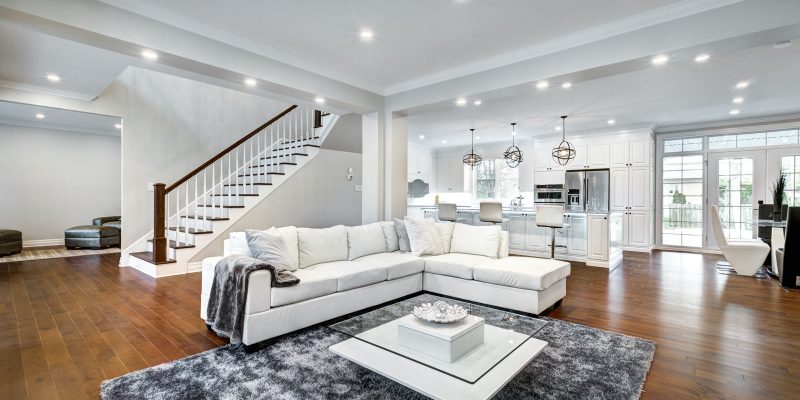
 A move-in ready home is a brand new home that is ready for occupancy immediately. All of the finishes are complete and nothing else needs to be done. The new occupants can move in without worrying about a thing—they can simply enjoy life in their new home. What are some of the many other benefits to buying a new home?
 Be prepared to pay higher rates of interest when you choose to build a home and run higher risks of delay and builder default.
 You won’t have to guess what you’re getting into by reading blueprints and talking to architects and builders. You can see it for yourself. Look at the finished lot, walk around inside, open closets, and so forth. If you like what you see, drive around and look at the neighborhood, visit the amenities, and determine the access to town and shopping. If possible, talk to neighbors and find out what they like about the developer and anything they don’t like. All of that information can help you decide whether this move-in ready home is the right one for you.
 Investing in real estate with an eye toward retirement may be a great way to position yourself for your dream retirement. Depending on how you invest, making real estate part of your retirement plan can generate nice returns. Not only does it have great investment potential, but it can also be an inflation hedge and an ideal way to diversify your investments away from stocks and bonds.
 If you are thirty years away from retirement, consider this easy strategy. Buy just one good quality property with a 30-year mortgage at a low-interest rate. Hold it and keep it rented for the life of the mortgage. During that period, you will have to make repairs, replace carpet and appliances, repaint and so forth. However, at the end of the 30 years, your tenants will have paid off your 30-year mortgage. You now have a couple of options. You can continue to rent it and enjoy the income. Alternatively, you can sell it and use the proceeds on your retirement home. Or, you can move into it and have no house payments in your retirement. Sweet!
 A REIT is like a mutual fund consisting only of real estate assets. REITS are an easy way for beginners or very busy people to invest in real estate. REITs are attractive as investments for a variety of reasons, but primarily because they have a special tax status that requires them to pay out at least 90% of their income as dividends. As a result, REITS can be great investments for retirees and near retirees because the dividends paid can provide real income. On the other hand, the dividends are taxed as ordinary income, so be aware of the tax implications of your
 When you put your home on the market, you will want to sell it quickly and as close to your asking price as possible. If your home looks clean, well-maintained, and spacious, it will appeal to many more buyers and their real estate agents. Following. home staging tips can help in your selling process.
 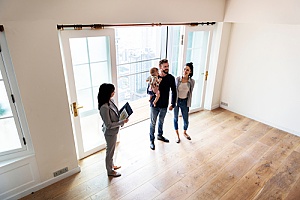 Some agents believe that an unkempt home can lower a home’s value by 5% to 15% because buyers are less inclined to make a higher offer for a messy house. So, this is the time to bring in a professional maid service to do a thorough cleaning. Get rid of things that you don’t need and don’t want to move.
 You want the rooms to seem bright and spacious. One way to achieve that is to remove excess furniture and rearrange what is left so that the room is light and bright. If the furniture is worn and dated, try to find something fresh and updated to replace it. Borrow something if you can, buy something inexpensive, or use slipcovers to freshen your upholstery. In the living room, you’ll want a sofa, chair and table and lamp. In the dining area, have a table and chairs. In the bedrooms, have just a bed and a dresser. When you arrange it, make sure nothing impedes traffic patterns and pathways, and that all doors can easily open without bumping into something. Brighten the house up with plants or floral arrangements on entry tables, coffee tables, dining tables, and bedroom dressers.
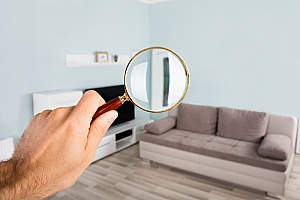 When a buyer makes the sales contract contingent on the home passing a professional home inspection, the buyer has built in a number of options. The buyer can 1) require the seller to take care of the issue at the seller’s expense; 2) proceed with the sale anyway and accept the responsibility for the repair after title passes to the buyer; 2) ask the seller to lower the sales price to reflect the expense of repair; or 3) back out of the sale completely.
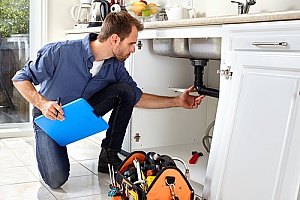 An evaluation of the home’s plumbing includes an evaluation of pipes, drains, water heaters, and water pressure and temperature. The inspector will make sure bathroom and kitchen fixtures are working properly, and not leaking, and that drains are draining.
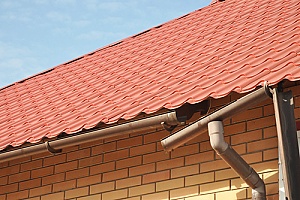 Outside, the inspector should look for evidence of current or future water issues, such as standing water, poor grading or damaged or missing gutters and downspouts. They will also look at the general health of plants in the landscaping and the condition of outdoor structures such as patios, decks, retaining walls, sheds, railings, and swimming pools.
 This may be the last home you will ever buy. At the same time, people are living longer than ever before. Don’t underestimate the number of years you may live in this home. You will want a home you will be happy in during this phase of your life. With that in mind, check out these home buying tips when searching for your retirement home:
 When you are deciding which communities you like the best, one important consideration is how far away the community is from the things you want to do. You probably will not want to drive a long way every time you want to go to the grocery store, the doctor, or a movie. And even if a longer drive does not bother you now, think about how you will feel about it in twenty years.
 Although a retirement home could be the last home you ever buy, you may find yourself in a situation where you need to sell it for some reason. The reasons could be changes in the health condition of yourself or your spouse, relocate to another area to be closer to family, a desire to get something smaller, or a change in your financial condition that warrants selling it. Whatever the reason, it is nice to know that you will have no problem