

At the height of the real estate boom just over a decade ago, the market has become so competitive that some buyers opted against a professional home inspection contingency. Without a home inspection, those buyers assumed the risk that problems with the home become theirs once they became the owners, along with the expense of making those repairs. Therefore, it is important to request a professional home inspection and to know what to look for during the inspection.
Why The Buyer Should Insist On A Home Inspection
 When a buyer makes the sales contract contingent on the home passing a professional home inspection, the buyer has built in a number of options. The buyer can 1) require the seller to take care of the issue at the seller’s expense; 2) proceed with the sale anyway and accept the responsibility for the repair after title passes to the buyer; 2) ask the seller to lower the sales price to reflect the expense of repair; or 3) back out of the sale completely.
Nowadays, most lenders and home insurance companies require a professional home inspection, but not always. Buyers who opt out of a home inspection do so at their own risk.
What You Need To Look For In A Home Inspection
First, a buyer should hire an independent, licensed, professional home inspector. In Virginia, a home inspector must complete a certain amount of pre-licensing training and pass an exam. Make sure that your inspector is a licensed professional, not just someone recommended by your real estate agent. Ideally, you will accompany the home inspector during the inspection and ask questions as problems are spotted.
The purpose of the home inspection is to help the buyer identify observable problems with the house, suggest possible fixes, and prepare a written report, usually with photos, noting the inspector’s observations. Here are some of the most important features they should evaluate:
The Condition Of The Roofing
Any defects in the roof should be noted. The inspector may spot loose shingles, missing flashing, loose or missing gutters, and rotting fascia, all of which can cause leaks. Inside, water stains on the attic ceiling or stains around chimneys and skylights are signs of leaking that should be explored in more depth.
The Age & Condition Of The Wiring & Electric System
Inspectors will check if the wiring and electrical panels are in good shape and up to applicable building codes. They will test all light switches and the HVAC system to ensure it is all working properly, and they will identify any issues that should be corrected. In the kitchen, the age and condition of appliances will be noted.
The Condition Of The Plumbing
 An evaluation of the home’s plumbing includes an evaluation of pipes, drains, water heaters, and water pressure and temperature. The inspector will make sure bathroom and kitchen fixtures are working properly, and not leaking, and that drains are draining.
The Condition Of The Foundation
The inspection will include an evaluation of the condition of the home’s foundation. That will require the inspector to look at the exterior walls, windows, and door frames to determine if they are straight and square. If not, the inspector report will note any issues observed. If the home has a fireplace, the inspector will look at the integrity of the chimney structure and whether any soot should be cleaned out.
Rot Or Decay In The Walls
The inspector will look at the home’s exterior to spot any rot or decay in siding and trim, any cracking or flaking masonry or stucco, any dents or bowing in vinyl or aluminum, any signs of moisture infiltration, as well as any peeling paint. Inside, the inspector will make sure the walls are not leaning and show no water damage.
The Age & Condition Of The Flooring
The inspection should include a report on the age and condition of any flooring. If carpets need to be replaced or wood floors need to be refinished, the inspector will note it.
The Presence Of Asbestos
In older homes, asbestos was often used as insulation. Asbestos fibers are dangerous when they become airborne. The inspection report should note if asbestos is present.
The Type Of Waste Systems & Water Wells
If you are considering a home that has a septic system and its own water well, you will need to have them inspected. Your home inspector can give you basic information about conditions that are easily observable. However, septic and well systems need to have separate inspections conducted by specialists.
Any Potential Water Drainage Issues
 Outside, the inspector should look for evidence of current or future water issues, such as standing water, poor grading or damaged or missing gutters and downspouts. They will also look at the general health of plants in the landscaping and the condition of outdoor structures such as patios, decks, retaining walls, sheds, railings, and swimming pools.
Contact An Experienced Virginia Beach Real Estate Agent
Before you make an offer on a home, consult with the staff at the Katie Zarpas Group. They can provide you with assistance on buying a home and help make sure you understand what to look for in a home inspection. For more information please call 757.685.4400 or schedule an appointment online.

 Like almost everything else in today’s world, the home buying process has gone mobile. Anyone looking to buy a home has access to a massive amount of information right at their fingertips in the form of a smartphone. In fact, more than half of all searches take place on mobile devices. That means a realtor’s website must be optimized for smartphones. Potential homebuyers want the site to be easy to navigate and read on a small screen as well as a large monitor. Any web designer who’s kept pace with the current trends knows how to make this happen.
 In the past decade, the term “big data” has entered the collective consciousness. Big data is all about finding trends among huge swaths of information (i.e., data) to predict consumer behavior. It’s how Amazon can recommend products we might like, or how Netflix can suggest shows for our queue. Real estate agents can use data gathered about potential home buyers in their area to predict which homes and sales scenarios will be more favorable to their current clients.
  If you have questions about today’s home buying process, then talk to an experienced real estate agent like Katie Zarpas. Katie prides herself on her personal, hands-on approach, and the creative style and quality of her work reflects that. Katie’s marketing, sales, and transactional expertise make her an invaluable partner and resource for any
 The location and the lot are things you cannot change. The first consideration as to location is whether the neighborhood meets your needs. Before you get out of the car to look at a property, look over the lot itself. Make sure it is not in a low-lying area that floods. If it is, you will incur significant expense to remediate the effects of a flood if remediation is possible. Is the lot fairly level, or is it steep? If the lot is steep, consider whether it creates a concern for your family’s intended use? Is it on a busy road? Consider whether the amount of traffic will affect your enjoyment and use of the property. Finally, look at the adjacent properties and determine if they are well taken care of.
 As you walk through the house, determine whether the floorplan will meet your lifestyle. Is it an open floor plan design that you love, or is it a floor plan designed to allow occupants more privacy? If you don’t like the floor plan now, you will probably hate it in a few years. If the seller has recently painted the walls and ceilings, be aware that it was likely done to help sell the home. That is good news for you as a potential buyer, but don’t let new paint and décor distract you from what matters.
  Regardless of the age of the appliances, turn each of them on to make sure they are working. Look underneath every sink for signs of leaking. Turn on the water in every faucet to assess the water pressure, especially if the house sits on well water. Look at any carpeting to determine whether it needs to be replaced or updated. If so, it is common to factor that into your sales price negotiations.
 The town of Chesapeake is situated on the Intracoastal Waterway. If you like to explore wildlife, you can find it along the 22 miles of fresh and salt waterways. You’ll be able to see rare bird species and wildlife along the scenic trails of Northwest River Park & Campground and the Great Dismal Swamp National Wildlife Refuge. And it’s an easy 30 minutes to the beaches!
 If you love history, this coastal Virginia seaport is for you. Its collection of antique homes spanning three centuries, assortment of quirky shops, and eclectic, locally owned restaurants give it a decided hip vibe. Plus, Portsmouth offers a spectacular waterfront on the busy Hampton Roads harbor. Portsmouth is a very walkable city, and you’ll find artistic expression everywhere you look. The Arts and Cultural District offers over twenty public art displays in eight city blocks.
 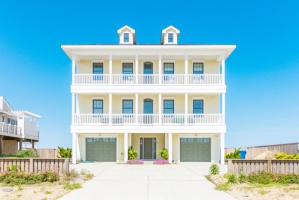 Virginia Beach is where the Chesapeake Bay meets the Atlantic Ocean. Thirty-five miles of coastline make it one of the longest beaches on the east coast. A three-mile long concrete boardwalk lets you walk, skate, or bike along the beach front and enjoy the attractions along the way. At the quiet area of Sandbridge Beach, you will have 5 miles of beach on the Atlantic Ocean. On the other side are the waters of the serene Back Bay.
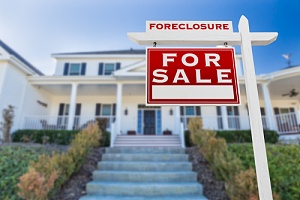 Foreclosures are homes that belong to the bank that originally gave the previous owner a loan. When the owner of the home abandons it or voluntarily deeds it to the bank, ownership goes to the bank, which can then sell the home. While it is often said that the bank “took back the home,” this is technically inaccurate, as the bank did not really own the home before it was purchased.
  Foreclosures can happen for any number of reasons, including the loss of a job, excessive debt in other areas, problems with the home’s co-owner, a move to another state before selling the property, or unaffordable maintenance issues. During the market crash that occurred from 2005 to 2011, for example, many homeowners abandoned their homes because they owed more than the house was now worth. While this practice can cause problems for the bank and new buyers, it allowed homeowners to walk away from their debts with few consequences.
 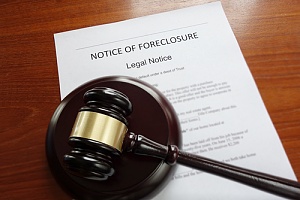 Negotiating with the seller typically occurs before the foreclosure proceedings have been finalized. The laws governing these negotiations vary from state to state. In areas that use mortgages for foreclosures, the homeowner can stay in the property for almost one year after the sale. Where trust deeds are used, the seller has less than four months to negotiate and move out before a trustee sale. Many states require that buyers provide sellers with certain disclosures about equity purchases, so consult a real estate agent or attorney for your state’s regulations. Almost all states provide a redemption period, during which the seller has the right to pay all foreclosure costs, back interest, and missed principal payments to regain control of the property.
 Contact Katie Zarpas Group for more information about foreclosures in the Virginia Beach area. Katie Zarpas has a long and successful career in real estate and has been recognized by her peers with several awards. Zarpas and her team can assist both
 Your real estate agent is a key member of your team when you consider buying a home. They will be able to find houses that fit your budget and other desires, schedule visits, manage paperwork, negotiate prices, and more on your behalf. That is why it is so important to find an experienced, knowledgeable agent with whom you feel comfortable working on a relatively long term basis. A real estate agent can help to suggest questions to ask when buying a home.
  A house that has been in the family for generations has likely never been sold for good reason. One that has been on the market several times over the last 10 years, though, may have some unseen issues that you should be aware of before making an offer. If the house is frequently on the market, ask your real estate agent to help you understand why so that you can make a smart decision. Similarly, the length of time the house has been on the market can tell you valuable information about its current state.
  If your new home is part of a condo association or homeowners association, you will want to know as much as possible about how it operates. Check to see whether you will be responsible for paying into any upcoming capital improvements or repairs through one-time assessments in addition to monthly fees.