

Buying beach real estate to enjoy in your retirement is a dream that may now be in reach for you. Images of long walks on the beach, sounds of waves lulling you to sleep, and ocean breezes caressing your skin fill your thoughts. It is an exciting time of your life and you’ve worked hard to make it come true.
Top 5 Tips for Buying Beach Real Estate
In the excitement of making your dream of a beach house come true, take care not to overlook a few important considerations during your search. Here are some tips to keep in mind as you look for beach real estate:
Check Out Different Communities
 Look at many different properties and communities before settling on one. You might like a particular beach, but you need to investigate the area surrounding it and different communities. That means learning about the community and nearby plans for development. You may not like the fact that a beach house you love will soon have a four-story condo building next door. Also, many beach communities are seasonal. Make sure you will love the house just as much in-season and off-season.
Drive around and see what is nearby. Save yourself some time by using various online maps to see aerial and street views of the surrounding area.
Compare Needs vs. Budget
Take some time and create a list of features you want and figure out what you really need in a beach house. Determine which of those things you can comfortably afford. Think about it as you would your primary home. For example, consider how many bedrooms and bathrooms you’ll need. Think about how much entertaining you will do. You should expect to have more visitors to your beach house than you may expect.
Another important consideration is how much maintenance and repair the house will need. Being near the ocean will expose the home’s exterior to salty air, saltwater, harsh sun, and sand. Keeping it up can be expensive. Salt air and saltwater are corrosive, so you need to expect frequent repair and replacement. If all of that is within your budget, make sure there is nothing else you would prefer to do with the money.
Take Location and Insurance into Consideration
 Shop around for homeowner’s insurance. Is insurance even available for a home in your chosen beach location? If it is available, make sure your budget will cover the premiums you’ll face to insure it. If you are getting a mortgage to buy the house, the lender will likely require you to have special insurance for flood, wind, or hail damage. Don’t forget to factor in premium increases, too.
You may decide that the cost of insuring a beachfront property is just too much. If so, you may want to look at homes that are a short distance away from the beach. You will find lower sales prices and a little less ongoing maintenance. By moving your search just a few blocks off the beach, your insurance costs and other expenses will be a little lower because you will have better protection from the harshest beachfront weather, floods and storm surges.
Research Local Weather Patterns
Go online and look at the weather patterns and storm history for the area before you buy beach real estate. Is the area prone to annual hurricane damage? If so, what months are the most frequent? Have a home inspection done by an inspector that specializes in waterfront property. A specialized inspector can tell you about the weather and maintenance issues unique to the area. The inspector will look for problems caused by proximity to the ocean and its weather. For example, the inspector will be able to tell if the house has been flooded and the frequency of flooding. Salty floodwaters do significant damage to electrical systems, foundations, and wood. Make sure that if the home is destroyed by a weather event you will be allowed to rebuild.
Will You Ever Rent It Out?
 A popular way to recoup some of the costs of a beach real estate is renting it out to vacationers. If you plan to do that, keep some things in mind as you do your house hunting. The first is to make sure the community permits it and understand any restrictions placed on it by the HOA (if applicable) and local ordinances. You may need a home inspection and a license before you can rent it.
Another important consideration is how you will market the house for rent. The community may have an on-site management agent to do that, or you’ll have to make your own arrangements.
Find out from the sellers whether they rented the house previously and how much the property earned during the past few years. If written records of the rental income and expenses are available, ask to see them. In some beach areas, homes with more bedrooms and bathrooms are the most popular and bring the most in rental income.
Discuss Your Options With Agents Who Know Beachfront Properties
Let the beachfront experts at Katie Zarpas Group help you find your dream beach house. Contact their office for more information and get started looking for your new beach real estate property.
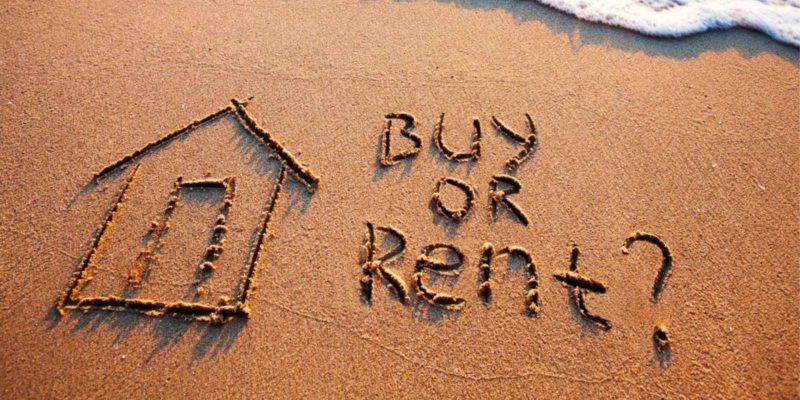
 Here are some of the advantages when renting a home:
 Some of the advantages when buying a home include: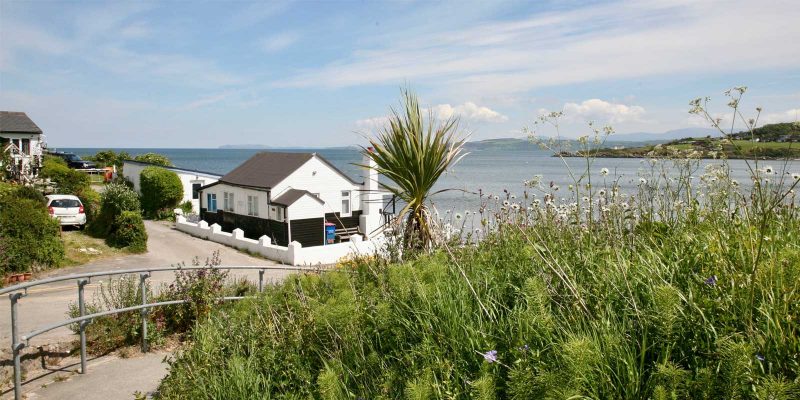
 Buying a beach house is a little different from buying a home in the city or suburbs. Being aware of the differences, and of the unique circumstances that apply for a beach house, can help you understand how to buy a beach house that fits your expectations and budget.
 Due to the proximity to coastal waters and exposure to severe weather conditions, you are likely to need insurance coverage of the sort you would not need for property that is not near the beach. For example, in some locations, you may need flood insurance. Or you may find that hurricane insurance is necessary, and you will pay higher premiums and higher deductibles for a little less coverage. Will the insurance cover erosion that occurs due to extreme weather conditions? If you plan to rent your beach house to others, you will want landlord insurance as well.
 Make sure you are aware of any public access easements on the property you are considering. Sometimes, these beach access easements run alongside the home. Often, the easement is a beachfront easement that allows members of the public to use the beach. If the beach property you are interested in is encumbered by such an easement, you should factor the easement into the sales price you negotiate. Like any other easement that encumbers a private property, the property owner cannot interfere with the public’s use of the easement. This means you cannot block it or prevent public access to it, even if you do not like people walking by on a regular basis.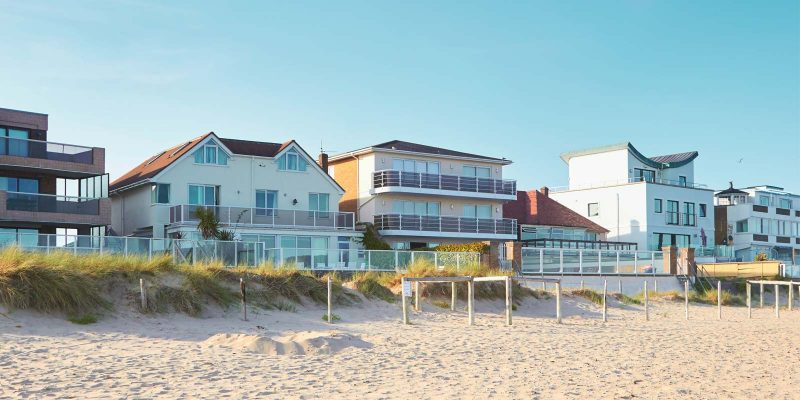
 When you buy a house by the ocean, the process is similar to
 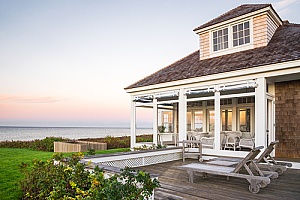 Near the ocean, a house will be subject to grueling winds with pelting sand and saltwater. This acts as corrosive sandpaper against the home’s siding. Make sure the siding and the roof are able to withstand the unrelenting weather. If you can find a beach house with a fairly new roof, that is a major plus. Replacing a roof can cost around $25,000. Even better if the roof is metal. Metal roofs are very durable and highly wind-resistant.
 Consider whether you will be able to keep up with renters, maintenance, and cleaning yourself, or whether a property manager would be better for you. If you are not planning on living nearby, or if you expect a lot of turnovers, a property manager is likely preferable to trying to do it yourself. The expense of a property manager is likely well worth the money. Depending on your financial situation, you may be able to deduct the expenses.
 When it’s time to buy a new home, most homeowners think they have to sell their current home, and often the sale proceeds go towards the purchase of the new home. But do you really have to sell your current home first? If you can keep your home and convert it into a rental property, you can grow your real estate investment portfolio. It is a common strategy used by homeowners to buy a second home and rent the first one, for a variety of reasons. For some homeowners, their home’s value is underwater and the homeowner cannot or is unwilling to take the loss of a sale. For other homeowners, they anticipate having to move back into it at some future date.
 Be aware that becoming a landlord means you are ultimately responsible for maintaining the property. If your tenants do not live up to their lease obligations, you will have to step in. You can hire a property manager, which is a good idea if you are a long-distance landlord or you are not very handy. However, the property manager’s fees will cut into your rental income. If you decide to do the property management yourself, be prepared for unexpected expenses. You once lived in the home, so you should know what condition the appliances are in, the age of the roof, and similar issues.
 One of the most important considerations is making sure you have the funds necessary to make it all work. Figure out how much cash you have available for your new home’s down payment and a couple of month’s house payments on your new home and your old home. You need to be able to cover the house payments on your old home if it is vacant for a month or two until you have tenants.
 Katie Zarpas can help you with how to buy a second home and rent the first one, negotiating a good price for you and take you through closing. The team can also help you locate good tenants for your first home and provide property management services if needed. Call today at
 A move-in ready home is a brand new home that is ready for occupancy immediately. All of the finishes are complete and nothing else needs to be done. The new occupants can move in without worrying about a thing—they can simply enjoy life in their new home. What are some of the many other benefits to buying a new home?
 Be prepared to pay higher rates of interest when you choose to build a home and run higher risks of delay and builder default.
 You won’t have to guess what you’re getting into by reading blueprints and talking to architects and builders. You can see it for yourself. Look at the finished lot, walk around inside, open closets, and so forth. If you like what you see, drive around and look at the neighborhood, visit the amenities, and determine the access to town and shopping. If possible, talk to neighbors and find out what they like about the developer and anything they don’t like. All of that information can help you decide whether this move-in ready home is the right one for you.