

Real estate market trends have experienced a lot of ups and downs in recent years. In 2017, a housing shortage made competition skyrocket, resulting in inflated price gains. A year later, the number of homes for sale hit an all-time low that lasted most of 2018. However, the first half of 2019 saw an upswing with the number of for-sale listings up 6.4 percent in January to 2.8 percent in June.
Top Five Trends Affecting The Mid-2019 Market
While the second half of 2019 is not expected to be as detrimental as the 2008 housing market crash, buyers are expected to see a negative shift as supply begins to flatten and possibly decline come October.
Challenges in Affordability
 Rising interest rates are making homes less affordable. Both short-term and long-term interest rates can have a direct impact on a buyer’s ability to afford a home. In the short-term, a rise in interest rates affects a buyer’s budget for a home. In the long-term, a rise in interest rates can result in higher monthly mortgage payments. Over the last several years, short-term interest rates have steadily increased which means homeowners must retain tighter budgets. When rising interest rates are combined with climbing home prices, affordability can become a major issue.
Slow Growth in Home Sales
In 2018, homes were less affordable meaning fewer people were buying. In fact, the number of homes sold last year declined by about 10 percent compared to 2017. However, home prices are starting to rise again in the second half of 2019 at a slow but steady pace. While there has been much speculation about impending recessions, it is important to remember that the pillars of the economy remain strong and a slow climbing housing market does not necessarily mean we are going to experience another Great Recession anytime soon.
Fewer Homeowners Selling
In the second half of 2019, home sales are likely to remain low. There are a few reasons why fewer homeowners are choosing to sell. Rate-lock is a common concern for homeowners interested in moving. Many homeowners who chose to refinance their loans when rates were low would be stuck paying more for the same mortgage if they decided to move. Even if a buyer simply wanted to downsize, they would be met with a higher-priced housing market. More homeowners are also choosing not to sell and instead, opting to age in place.
Tighter Banking Restrictions
Tighter restrictions on banks and lenders have also made fewer buyers ineligible for mortgages. While placing these restrictions on home loans has led to a steady decline of people who are unable to pay their mortgages, it also means fewer homes are being purchased overall. However, research has found that more consumers are building stronger budgets than ever before. As income continues to grow and more people are choosing to save and pay off their debts, financial health has increased which is great for the housing market. Unfortunately, rising interest rates still make it more difficult for interested buyers to afford a home.
Upper vs. Lower Housing Markets
 While inventory has began to gradually creep up over the course of 2019, the market is not divided equally. The upper end of the market actually has plenty of inventory to choose from. It is the middle and lower ends of the market that are experiencing a housing shortage. The upper end of the market is being seen as soft due to a property tax deduction that has been limited, resulting in a greater financial burden and less desire to own. New home builders are also feeling the stress due to rising material costs, high land prices, and more difficulty when obtaining construction permits.
What Does This Mean for Buyers and Sellers?
If you are a seller in the mid-2019 real estate market, you can expect less competition from buyers but the demand for homes remains strong. The demand for housing stems from a low supply of inventory across the country and the fact that more millennials are choosing to buy. Be careful when pricing your home as buyers are looking for less expensive homes due to a rise in interest rates. Overpricing your home could result in it sitting on the market for months.
As the number of homes for sales has increased slightly since 2018, buyers have more options in 2019. While buyers can expect better value for these homes compared to previous years, they should not expect major discounts. Home prices are continuing to climb, just at a slower rate. First-time home buyers may struggle due to rising mortgage rates but programs are available to help with financing.
Help Buying or Selling a Property
Need help buying or selling a home in the current real estate market? Contact Katie Zarpas Group today to learn more about real estate market trends or for assistance with buying or selling.

 Most people want to purchase a home that already has appliances. However, appliances that are worn or outdated can be a real turn off. You can add value to your home by switching out your outdated appliances for more modern, energy-efficient models. It is not just your kitchen appliances you want to upgrade. Creating a separate laundry room or nook complete with a new washer and dryer can also be an attractive feature for buyers. Of course, having matching appliances is important, such as stainless-steel appliances throughout the kitchen.
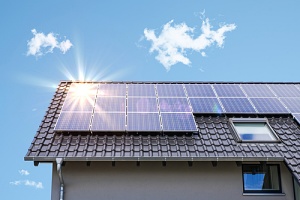 Your home can certainly benefit from a few inexpensive, environmentally-friendly upgrades. As more homeowners move towards an eco-friendlier lifestyle, updates like solar panels, programmable thermostats, and bamboo flooring can be highly attractive features that could potentially add value to your home. When choosing green updates, do not overboard. You are likely not going to make your money back if you spend too much going green. Instead, opt for low cost improvements such as weatherproofing around doors and windows to save energy, swapping incandescent light bulbs for LEDs, or installing a smart meter to save energy.
 Nearly all first time home buyers become first time home sellers, eventually. When they do, they undergo a very different process with its own unique requirements and home selling process timeline. Understanding what each of these steps entails can help you manage your schedule, sell your home quickly, and get a good price for the home.
  Your real estate agent will write a description of your home that highlights its major advantages and take photos to accompany the description in online listings and databases. They may also feature your home in advertisements, flyers, and other forms of marketing for maximum attention. When someone contacts your agent about your home, the agent will be able to answer any questions they have and set up showings.
  Several inspections may be made of your home before escrow closes. First, an appraiser will take a tour of your home to determine whether it is priced fairly. The buyer can review the appraiser’s findings and adjust their offer if they feel it is necessary. You will also undergo a home inspection, which will determine whether there are any structural concerns with the home. The buyer will conduct their own final walk through and may request a roof certification, pest inspection, or other inspection as well.
 Your real estate agent is a key member of your team when you consider buying a home. They will be able to find houses that fit your budget and other desires, schedule visits, manage paperwork, negotiate prices, and more on your behalf. That is why it is so important to find an experienced, knowledgeable agent with whom you feel comfortable working on a relatively long term basis. A real estate agent can help to suggest questions to ask when buying a home.
  A house that has been in the family for generations has likely never been sold for good reason. One that has been on the market several times over the last 10 years, though, may have some unseen issues that you should be aware of before making an offer. If the house is frequently on the market, ask your real estate agent to help you understand why so that you can make a smart decision. Similarly, the length of time the house has been on the market can tell you valuable information about its current state.
  If your new home is part of a condo association or homeowners association, you will want to know as much as possible about how it operates. Check to see whether you will be responsible for paying into any upcoming capital improvements or repairs through one-time assessments in addition to monthly fees.
 Buying a home can be a long and complex process. New homebuyers are faced with many big decisions, and one small mistake can have a major impact on the transaction. If you are a home hunter in search of your dream house, take the time to acquaint yourself with the ins and outs of real estate transactions with these home buying tips.
 Once the appraisal has been completed, all the necessary paperwork is reviewed, signed, and filed. Your lender will generally arrange for a
  Before going to your local bank to apply for a home loan, take the time to check your credit score and history. Lenders look for a credit score of 720 or above if you are applying for a conventional loan, and 620 or above if you are interested in an FHA. If your FICO score falls below these numbers, you may not qualify.
 As soon as you realize that you are ready to purchase a home, begin researching real estate listings in websites, newspapers, and magazines. Think about the type of home, neighborhood, and other amenities that catch your attention. Make note of changes in asking prices and how long homes tend to stay on the market to help you begin forming a buying strategy.
 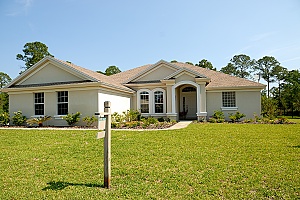 When you start looking at homes within your price range, be sure to take notes and photos of each one to help you remember what you liked and did not like, then share this information with your agent to refine the types of homes you are shown in the future. Also, remember to test the electrical system, plumbing, windows, and other details of each home. It is also important to evaluate the neighborhood by checking the condition of other homes, traffic and availability of parking on the street, and proximity to restaurants, schools, or other points of interest. Once you find the right home, your real estate agent can help you negotiate a fair offer with the seller.
  Finalizing the sale of a home includes extensive paperwork. A real estate agent can help you stay organized and ensure that all of the paperwork is correct before you sign or file any documents. Lenders typically arrange for a title company to assist in this process and ensure that the seller is the rightful owner of the property they intend to sell.