

Advancements in technology are changing every aspect of our lives, from how we shop to how we communicate, and from how we work to how we socialize. So, it should come as no surprise to learn that technology is also changing the real estate industry and the home buying process as well.
Technology That Is Changing The Home Buying Process
Here are just a few of the latest technology trends that today’s real estate agents are using to help their clients navigate and enjoy the home buying process.
Smart Phones
 Like almost everything else in today’s world, the home buying process has gone mobile. Anyone looking to buy a home has access to a massive amount of information right at their fingertips in the form of a smartphone. In fact, more than half of all searches take place on mobile devices. That means a realtor’s website must be optimized for smartphones. Potential homebuyers want the site to be easy to navigate and read on a small screen as well as a large monitor. Any web designer who’s kept pace with the current trends knows how to make this happen.
Smart Phone Apps
There’s a smart phone app for everything these days, and the home buying process is no exception. Real estate agents and potential homebuyers can connect in real-time using any number of popular marketplace apps, such as Zillow. Any realtor who wishes to grow their business should know how to use these apps to their advantage.
Virtual Reality
Virtual reality is a game-changer when it comes to how real estate professionals show properties to home buyers. People today are busier than ever, and getting them to commit to a day of house hunting can be hard. Agents who have virtual reality technology at their disposal can show potential buyers several homes in a short period of time. Then, clients can choose which homes they want to see in person, and which properties they are ready to scratch off their list. It makes the entire home buying process much more efficient, and fun, for agents and the homebuyer.
Big Data
 In the past decade, the term “big data” has entered the collective consciousness. Big data is all about finding trends among huge swaths of information (i.e., data) to predict consumer behavior. It’s how Amazon can recommend products we might like, or how Netflix can suggest shows for our queue. Real estate agents can use data gathered about potential home buyers in their area to predict which homes and sales scenarios will be more favorable to their current clients.
Smart Home Technology
The real estate industry is abuzz about smart home technology and Wi-Fi-connected appliances, which are providing homeowners with an unprecedented level of convenience. Refrigerators can tell you when you’re out of milk or eggs. Ovens can respond to voice commands. You can control your washing machine and dryer from your phone. These technologies are quickly going from “cool innovation” to “what’s expected” in homebuyers’ eyes. Properties that come readily equipped with smart home technology are in high demand in today’s real estate climate. Real estate agents need to make sure they’re up to speed so they can satiate potential buyers’ desire for efficiency and convenience.
Automations With Artificial Intelligence
Artificial intelligence (AI) is revolutionizing the real estate industry in a number of ways. Real estate agents can use AI technology to set up chatbots, email automation, social media updates, push notifications, and so much more. With AI taking care of these mundane, everyday tasks associated with the home buying process, agents can put more time into showing properties, serving clients, and closing deals.
With technology altering the landscape of the real estate industry so rapidly, it is more important than ever for real estate agents to understand what the home buying process is like for potential homeowners, and the role of technology in making it a more satisfying experience for all involved.
Learn More From A Virginia Beach Real Estate Agent
 If you have questions about today’s home buying process, then talk to an experienced real estate agent like Katie Zarpas. Katie prides herself on her personal, hands-on approach, and the creative style and quality of her work reflects that. Katie’s marketing, sales, and transactional expertise make her an invaluable partner and resource for any real estate client.
Katie began her accomplished real estate career in Hampton Roads, Virginia, in 2005. She has gained valuable sales and operations experience and has proven herself to be a top-ranked residential specialist who’s served the needs of home buyers and sellers throughout the Virginia Beach, Chesapeake, Norfolk, Portsmouth, and Suffolk markets. Katie consistently sells the highest priced homes in Hampton Roads. Every buyer she works with, and every listing she takes on, are serviced with the utmost level of attention and diligence. Transactions are her specialty, but relationships and her clients’ best interests are her top priorities. Give her a call at 757.685.4400 or schedule an appointment online.

 The location and the lot are things you cannot change. The first consideration as to location is whether the neighborhood meets your needs. Before you get out of the car to look at a property, look over the lot itself. Make sure it is not in a low-lying area that floods. If it is, you will incur significant expense to remediate the effects of a flood if remediation is possible. Is the lot fairly level, or is it steep? If the lot is steep, consider whether it creates a concern for your family’s intended use? Is it on a busy road? Consider whether the amount of traffic will affect your enjoyment and use of the property. Finally, look at the adjacent properties and determine if they are well taken care of.
 As you walk through the house, determine whether the floorplan will meet your lifestyle. Is it an open floor plan design that you love, or is it a floor plan designed to allow occupants more privacy? If you don’t like the floor plan now, you will probably hate it in a few years. If the seller has recently painted the walls and ceilings, be aware that it was likely done to help sell the home. That is good news for you as a potential buyer, but don’t let new paint and décor distract you from what matters.
  Regardless of the age of the appliances, turn each of them on to make sure they are working. Look underneath every sink for signs of leaking. Turn on the water in every faucet to assess the water pressure, especially if the house sits on well water. Look at any carpeting to determine whether it needs to be replaced or updated. If so, it is common to factor that into your sales price negotiations.
 One of the most important considerations in selling your home is determining how much equity you have in it. You begin to build equity in your home when you make the initial down payment when you buy it. Each monthly payment includes a payment of interest and a smaller amount is applied to pay the loan principal. Only the amount you pay toward the principal goes toward your home equity.
 For example, assume your home is worth $350,000 based on your internet research. Assume that the first mortgage balance is $200,000, and you have a second mortgage balance of $50,000. You would have $100,000 in positive equity ($350,000 value – $200,000 mortgage – $50,000 second mortgage = $100,000 home equity). If your home sells for $350,000, you would incur transaction costs (often about 6-10% of the sales price, which includes the real estate agent’s commission, property taxes, attorney’s fees, and so forth) that would be deducted from your $100,000 in equity. Whatever is left over after those costs are paid is yours to apply toward the purchase of a new home, moving expenses, or anything else you wish to do with the proceeds.
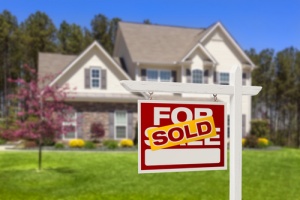 If you can sell your home and have enough money from the sale to pay off the mortgage(s), home equity lines of credit, outstanding taxes, and related transaction costs, you will not have to pay anything out of your savings to sell your home. For many people, they can afford to sell their home only if the sale proceeds will cover all outstanding debt and closing costs.
 If you are thinking about selling your home, contact the real estate expert at Katie Zarpas Group for more information by calling
 The town of Chesapeake is situated on the Intracoastal Waterway. If you like to explore wildlife, you can find it along the 22 miles of fresh and salt waterways. You’ll be able to see rare bird species and wildlife along the scenic trails of Northwest River Park & Campground and the Great Dismal Swamp National Wildlife Refuge. And it’s an easy 30 minutes to the beaches!
 If you love history, this coastal Virginia seaport is for you. Its collection of antique homes spanning three centuries, assortment of quirky shops, and eclectic, locally owned restaurants give it a decided hip vibe. Plus, Portsmouth offers a spectacular waterfront on the busy Hampton Roads harbor. Portsmouth is a very walkable city, and you’ll find artistic expression everywhere you look. The Arts and Cultural District offers over twenty public art displays in eight city blocks.
 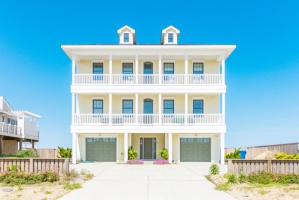 Virginia Beach is where the Chesapeake Bay meets the Atlantic Ocean. Thirty-five miles of coastline make it one of the longest beaches on the east coast. A three-mile long concrete boardwalk lets you walk, skate, or bike along the beach front and enjoy the attractions along the way. At the quiet area of Sandbridge Beach, you will have 5 miles of beach on the Atlantic Ocean. On the other side are the waters of the serene Back Bay.
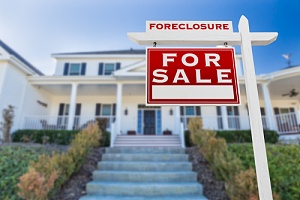 Foreclosures are homes that belong to the bank that originally gave the previous owner a loan. When the owner of the home abandons it or voluntarily deeds it to the bank, ownership goes to the bank, which can then sell the home. While it is often said that the bank “took back the home,” this is technically inaccurate, as the bank did not really own the home before it was purchased.
  Foreclosures can happen for any number of reasons, including the loss of a job, excessive debt in other areas, problems with the home’s co-owner, a move to another state before selling the property, or unaffordable maintenance issues. During the market crash that occurred from 2005 to 2011, for example, many homeowners abandoned their homes because they owed more than the house was now worth. While this practice can cause problems for the bank and new buyers, it allowed homeowners to walk away from their debts with few consequences.
 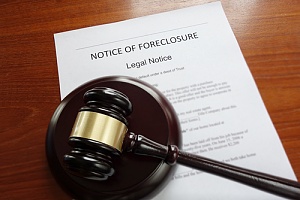 Negotiating with the seller typically occurs before the foreclosure proceedings have been finalized. The laws governing these negotiations vary from state to state. In areas that use mortgages for foreclosures, the homeowner can stay in the property for almost one year after the sale. Where trust deeds are used, the seller has less than four months to negotiate and move out before a trustee sale. Many states require that buyers provide sellers with certain disclosures about equity purchases, so consult a real estate agent or attorney for your state’s regulations. Almost all states provide a redemption period, during which the seller has the right to pay all foreclosure costs, back interest, and missed principal payments to regain control of the property.
 Contact Katie Zarpas Group for more information about foreclosures in the Virginia Beach area. Katie Zarpas has a long and successful career in real estate and has been recognized by her peers with several awards. Zarpas and her team can assist both
 Curb appeal is made up of everything outside your home, from the state of your lawn and garden to the color of the walls, and other little details, like fences and shutters. It’s easy to forget about all of these features in your day to day home maintenance and living, but they are essential when you begin thinking about selling your home. In this short post, read more about why curb appeal matters and why it is so important when putting your home up on the market.
 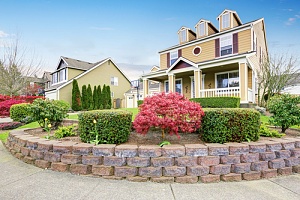 Curb appeal is also important in more concrete ways. With a beautiful front, your home’s property value will likely increase. A run down or badly landscaped home is likely not going to attract many buyers, unless they are specifically looking for a fixer upper or teardown house. A well maintained home, meanwhile, instantly generates positive interest, makes your home more attractive and can lead to a higher sale price.
 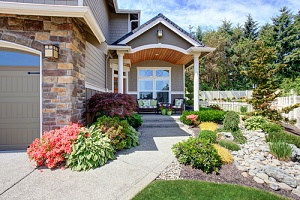 Showing that your house is unique amongst all of the others on the market is critical, particularly if it is one of several options available in the same price range. Buyers might be particularly enamored with your garden, siding, or other details that they would likely have to install themselves if they chose a different house instead of your’s. By adding or maintaining these thoughtful details yourself, you save the buyer the effort, and position your house as an ideal choice.
  Speak to Katie Zarpas Group for more information about curb appeal and to schedule an initial meeting with a